

Every season change brings the same wardrobe panic: too hot, too cold, nothing that works for the weather in between. The fix is not four separate wardrobes — it is one wardrobe organised around how fabrics, layers and colours shift through the year.
This simple season-by-season guide shows what to wear in spring, summer, autumn and winter, and how the same core pieces carry you through all four.
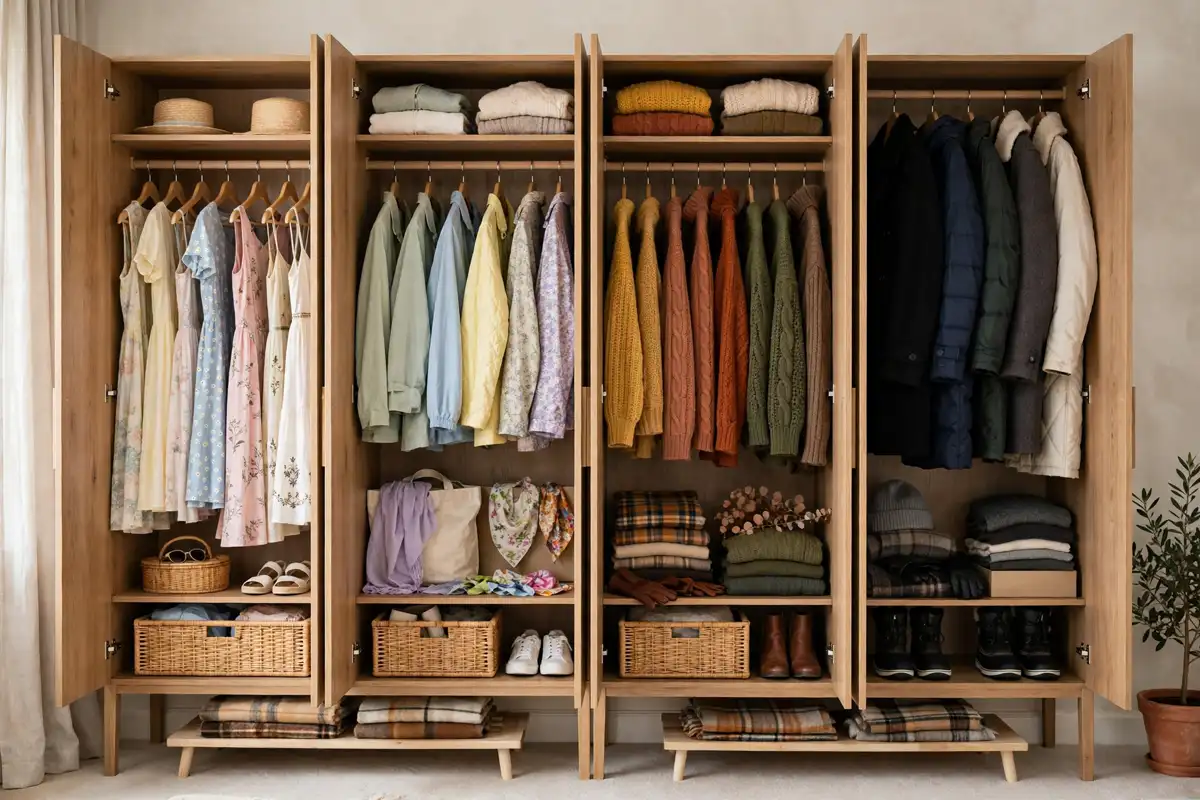
The Year, At a Glance
- Spring: layers, light jackets and rain protection
- Summer: breathable natural fabrics and shade
- Autumn: knits, boots and richer colours
- Winter: one serious coat and thermal strategy
Spring: The Season of Layers
Spring weather changes by the hour, so dress in removable layers: a fine knit or long-sleeved tee, a light jacket — trench, denim or a soft blazer — and shoes that survive a sudden shower. This is the season of transitional dressing: keep winter boots out until the last frost risk passes, but retire the heavy coat as soon as days turn mild.
Colours lighten with the light: stone, soft blue, sage and blush replace the winter darks. A compact umbrella and a water-resistant outer layer are worth more than any statement piece this season.
Summer: Breathability Is Everything
In heat, fabric choice decides comfort. Linen, cotton and light viscose let air move; synthetic fabrics trap heat and odour. Loose silhouettes — wide-leg trousers, shirt dresses, oversized shirts worn open over a vest — stay cooler than anything tight.
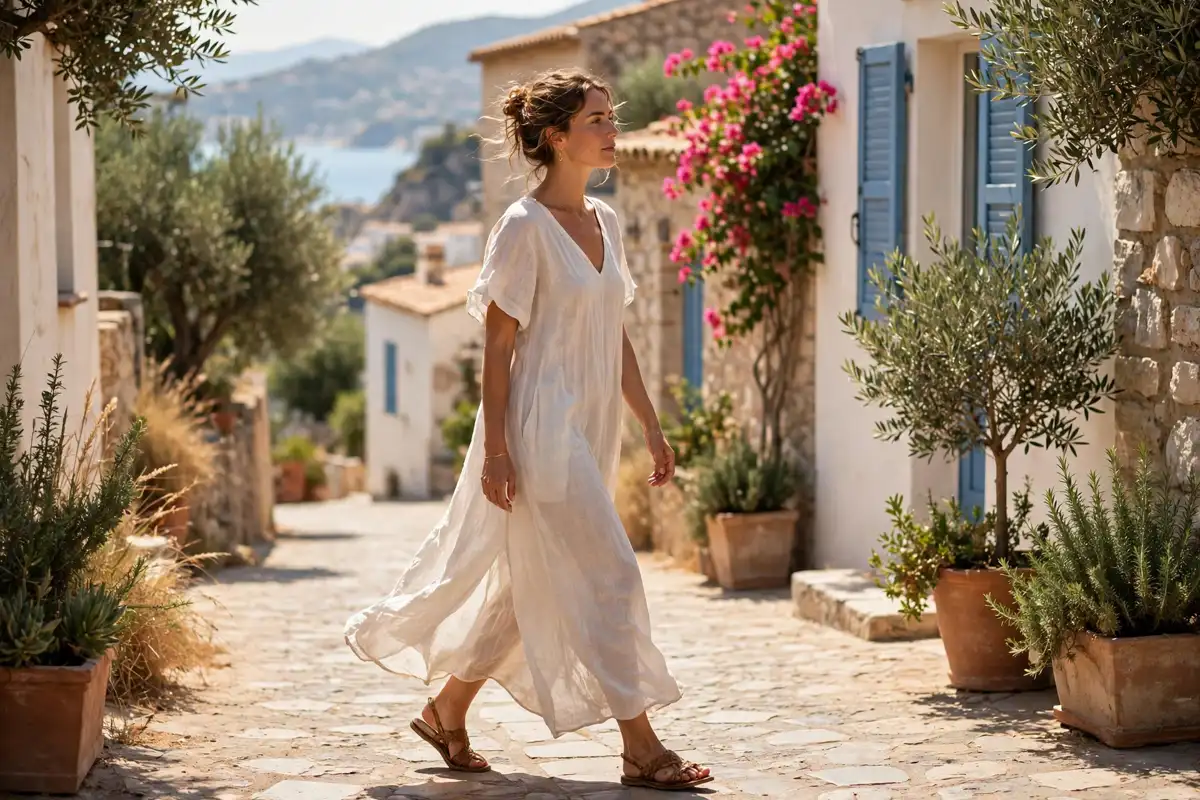
Protect the investment pieces: rotate sandals and trainers so leather recovers between wears, and keep one light layer for air-conditioned offices and evening breezes. A wide-brim hat or cap and proper sunglasses are functional first, fashionable second — and they do both jobs.
Autumn: Knits, Boots and Depth
Autumn is fashion’s favourite season because layering returns. Bring back the blazers and fine knits of spring, add heavier textures — corduroy, suede, chunky cardigans — and switch to ankle boots as the default shoe.
The colour palette deepens: burgundy, olive, rust, chocolate and camel echo the season itself. This is also the moment for a wardrobe review — anything unworn for a year is unlikely to be worn next year either, and clothing resale platforms make it easy to pass pieces on while they still have value.
Winter: One Great Coat, Worn Well
Winter dressing is 80% coat. A long wool coat in a neutral colour, worn over everything, does more than five mediocre jackets. Beneath it, the thermal strategy matters more than thickness: a thermal or merino base layer, a real knit, and wind protection will beat one enormous jumper in most climates.
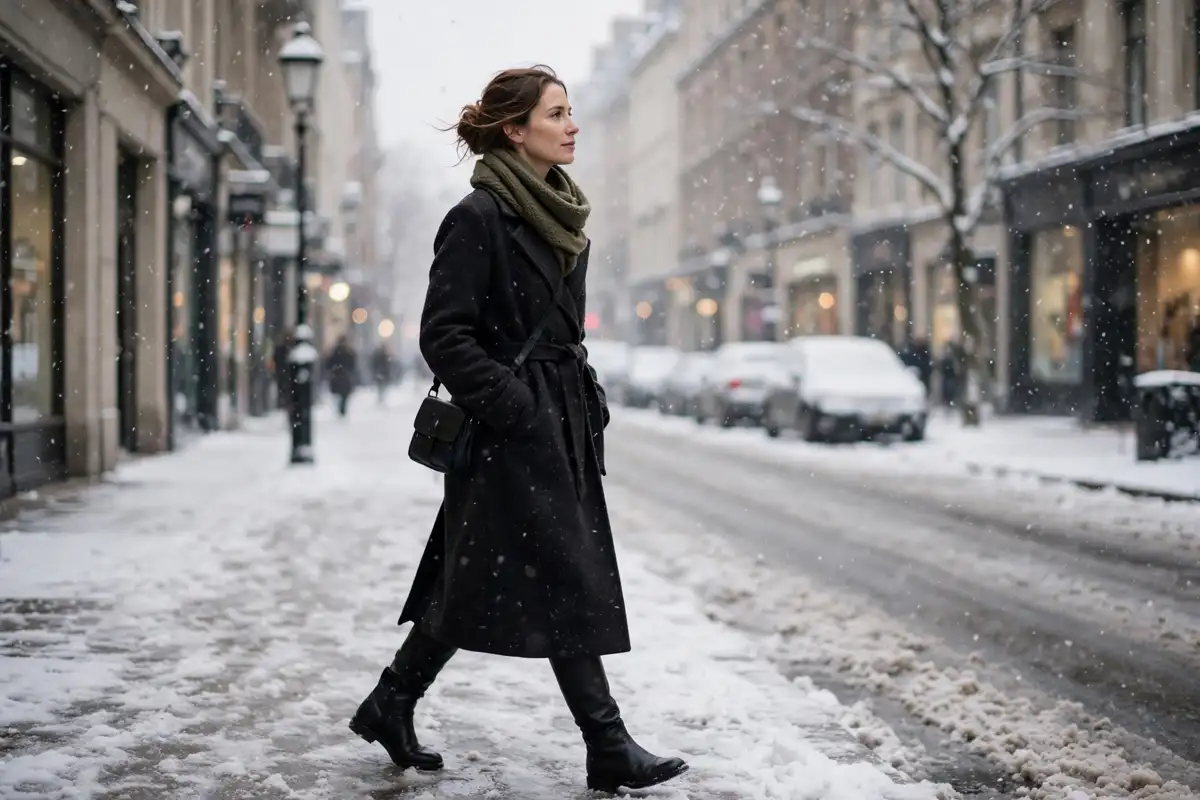
Boots need grip and waterproofing; scarves, gloves and a warm hat are not accessories but equipment. Darker colours dominate for practical reasons — winter dirt shows on pale fabric — but one bright knit or scarf keeps the season from feeling flat.
The Pieces That Work All Year
Notice what never leaves the rotation: the white shirt, dark jeans, straight trousers, the blazer, white trainers and loafers, the fine knit. Seasons change the layers around them, not the core itself. If you organise your wardrobe with those anchors in the middle and seasonal pieces at the edges, the twice-yearly wardrobe swap takes an afternoon, not a weekend.
The Bottom Line
Dressing well through the year is a system: breathable fabrics for summer, honest layers for the in-between months, and one serious coat for winter — all built on the same timeless core. Master the rhythm once, and the weather never catches your wardrobe out again.
Tell us in the comments: which season is hardest to dress for where you live?