

Beauty marketing works hard to convince you that price equals performance. Sometimes it does — and sometimes you’re paying for the jar, the fragrance, and the advertising. After years of dermatologists saying the quiet part out loud, a clear pattern has emerged: a few product categories genuinely reward spending, most are beautifully served by affordable versions, and a short list of well-studied ingredients does the majority of the actual work. This guide sorts your routine into spend, save, and skip, so a modest beauty budget buys results instead of packaging.
A boundary first: this is general consumer information, not medical advice. Skin conditions, persistent acne, and anything painful, changing, or worrying need a dermatologist — the best beauty budget decision there is, compared with months of trial-and-error products.
Spend: where money buys measurable difference
Sunscreen you’ll actually wear
The best sunscreen is the one you apply generously every day, and comfort decides that. If a slightly pricier, elegant texture is the difference between wearing SPF daily and skipping it, that’s money well spent — sun protection is the most evidence-backed step in all of skincare. Our skincare routine guide covers how SPF fits the routine by skin type.
Foundation and base makeup (if you wear it)
Base products sit on your skin all day, and shade matching plus a finish that suits your skin type is where better formulas earn their price. This is also the category to test in person where possible — a perfect shade in a mid-range formula beats an expensive almost-shade.
Fragrance
If you wear perfume, quality and longevity genuinely vary, and a single well-chosen scent worn for years has a low cost per wear. Buy the small bottle first; skin chemistry decides the final result.
Tools you’ll keep for years
A good set of makeup brushes, a reliable hair dryer, or well-made grooming tools fall into the same category as kitchen knives: buy once, use daily, amortize happily — the cost-per-use logic from our capsule wardrobe guide applies to your dressing table too.
Save: where affordable products perform
Cleansers
A cleanser is on your face for about a minute before going down the drain. Gentle, affordable cleansers clean just as effectively as luxury ones; spending more here buys fragrance and texture, not cleaner skin.
Basic moisturizers
Petrolatum, glycerin, and ceramide products from budget and pharmacy ranges are staples dermatologists recommend constantly. Rich, simple, inexpensive moisturizers are one of beauty’s great bargains.
Mascara, lip products, and nail polish
Mascara must be replaced every few months for hygiene, which makes expensive tubes poor value; affordable mascaras are consistently excellent. Lipsticks, glosses, and polishes are pigment and wax — mid-priced and budget options span every shade.
Shampoo and conditioner for most hair
Drugstore ranges cover the mainstream needs well, especially when matched to hair type — as our haircare routines guide explains, technique and fit matter more than brand tier for most heads of hair.
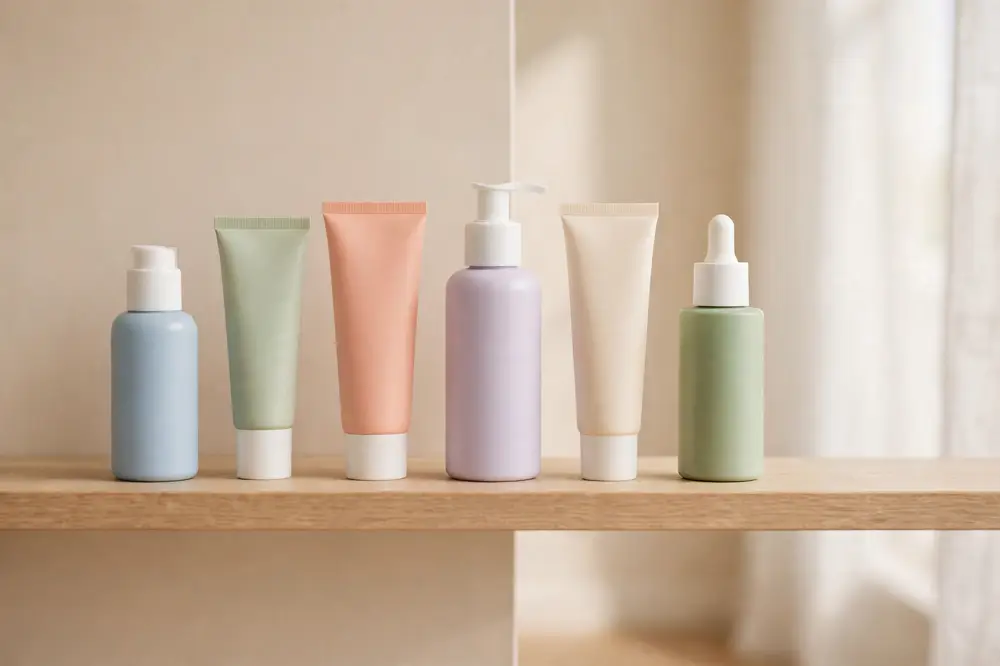
The ingredients that actually matter
Ingredient lists are regulated, and the same star ingredients appear across price tiers:
- Sunscreen filters — the active line in any SPF product; protection level and texture matter, not the logo.
- Retinoids (such as adapalene and retinol) — among the most studied cosmetic ingredients for texture and photoaging; start slowly, expect an adjustment period, and skip them if pregnant.
- Vitamin C, niacinamide, and azelaic acid — popular, reasonably evidenced options for tone and brightness.
- AHAs and BHAs (glycolic, lactic, salicylic acids) — chemical exfoliants for texture and congestion; more is not better, and overuse damages the barrier.
- Ceramides, glycerin, hyaluronic acid, petrolatum — the unglamorous hydrating backbone of effective skincare at every price.
Read the first few ingredients and the active percentages where given, not the adjectives on the front of the box.
Smart shopping rules that protect the budget
- Finish it before you replace it. Half-used products are the budget’s biggest leak. A “project pan” mindset — one open product per category — quietly saves serious money.
- Samples and travel sizes first for anything pricey or active-heavy; a reaction to a full bottle is an expensive experiment.
- Beware the routine creep. One cleanser, one moisturizer, one SPF, one or two targeted products is a complete routine. Each extra step must argue for its place.
- Check cost per ounce or milliliter, not the shelf price — beauty packaging is engineered to make small jars look substantial.
- Seasonal sales are for staples, not experiments. Stock the products you already know you finish; never discover a brand at 40 percent off with a full-size bottle.
- Dupes with a caveat: affordable alternatives make sense when the active ingredient and concentration genuinely match. A similar shade or smell is not a formula match.
Frequently Asked Questions
Are expensive skincare products worth it?
Sometimes — mainly for texture, comfort, and wearability (as with sunscreen and foundation) and for a few well-formulated active products. For cleansers, basic moisturizers, and many staples, affordable products with the same key ingredients perform just as well.
Which single beauty product should I prioritize?
Daytime sunscreen, if you don’t already wear one consistently. It protects skin health and the results of everything else you use. After that, prioritize whatever sits on your skin longest, like base makeup or moisturizer.
How can I tell if an affordable product is actually good?
Check the ingredient list for the same proven actives found in pricier versions, look for fragrance-free options if you’re sensitive, and favor established budget and pharmacy ranges with clear labeling over no-name products making dramatic promises.
How do I stop wasting money on beauty products?
Buy one product per category, finish what you open, sample before committing to full sizes, and keep a short list of proven staples to repurchase. Most beauty overspending is duplication and experimentation, not the price of any single item.
Spend on proof, save on packaging
Great beauty routines are built on a handful of evidenced ingredients, worn consistently, inside products you can afford to replace forever. Put the money where texture, shade, and daily wear matter, buy the basics affordably, and let your routine be boringly effective.
1 thought on “Beauty on a Budget: Where to Spend, Where to Save and Which Ingredients Matter”