
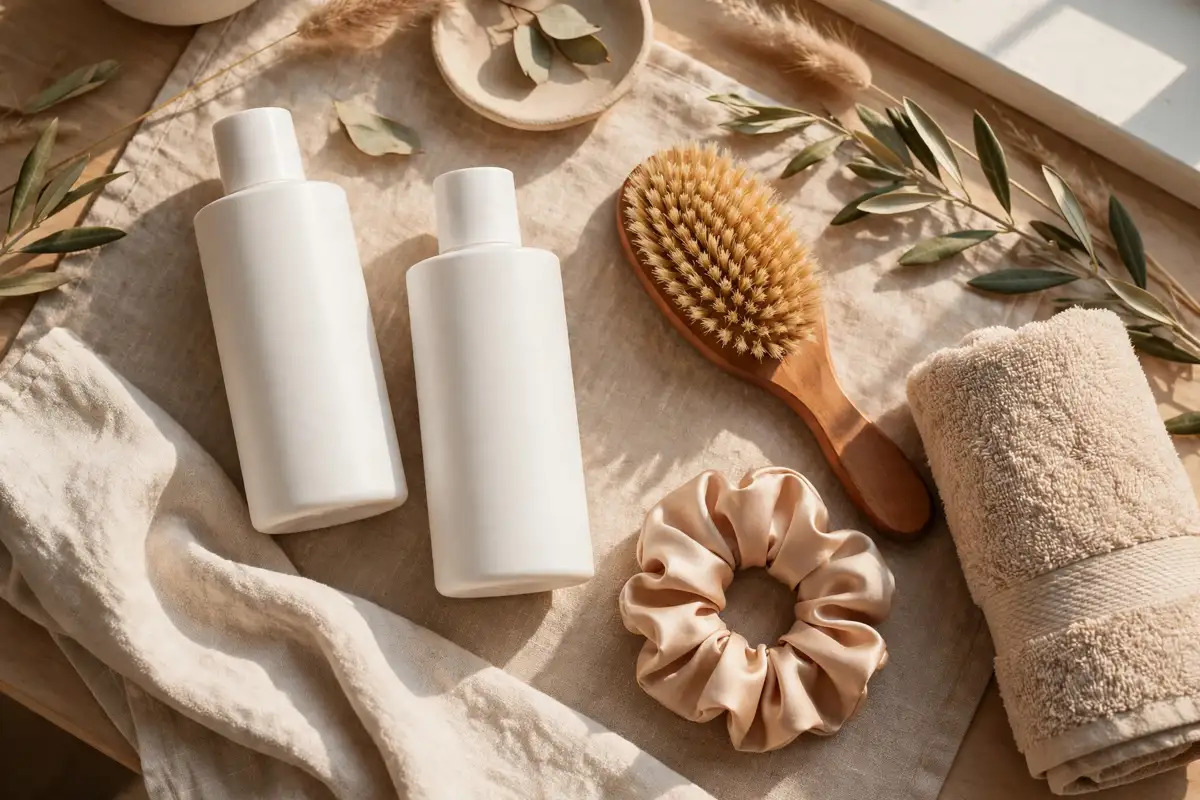
Hair advice fails when it pretends all hair is the same. A routine that makes straight, fine hair look glossy can leave tight curls dry and frizzy, and the gentle schedule that suits colored hair may leave an oily scalp feeling unwashed. The good news is that every good routine has the same skeleton — cleanse, condition, protect, maintain — and only the details change by hair type. This guide builds the routine for dry, curly, straight, and color-treated hair, with honest notes on what products can and cannot do.
One boundary up front: no shampoo or mask regrows hair or cures scalp conditions. Persistent dandruff, itching, sores, or noticeable hair loss are medical matters for a doctor or dermatologist, not the cosmetics aisle.
The skeleton every hair type shares
- Cleansing is for the scalp. Shampoo’s real job is removing oil, sweat, and product buildup from the scalp and roots. Most lengths don’t need aggressive scrubbing — the suds running through them is enough.
- Conditioner is for the lengths. Apply from mid-lengths to ends, where hair is oldest and driest. Conditioner smooths the cuticle, reduces friction and breakage, and makes detangling gentler.
- Heat protection matters if you use heat. A heat-protectant product before blow-drying or styling tools is one of the few genuinely evidence-friendly styling steps.
- Trims maintain, they don’t accelerate. Cutting split ends stops them traveling further up the strand; hair grows from the scalp, so trims protect length rather than speed growth.
Dry hair: add moisture, remove stress
Dry hair feels rough, tangles easily, and often comes with a dry scalp and lengths that have seen heat, sun, or chemical services.
- Wash less often, typically a few times a week, with a gentle moisturizing shampoo focused on the scalp.
- Condition generously every wash, and add a deep-conditioning mask once a week or so. Leave it on for the time the label suggests — rinsing early wastes the product.
- Use a leave-in conditioner on damp hair to keep moisture in between washes.
- Cut back heat and always use protectant when you do style; air-dry partly before any blow-drying.
- Sleep gently: a loose braid and a smooth pillowcase reduce friction and morning tangles.
Curly hair: moisture plus definition, minimal disturbance
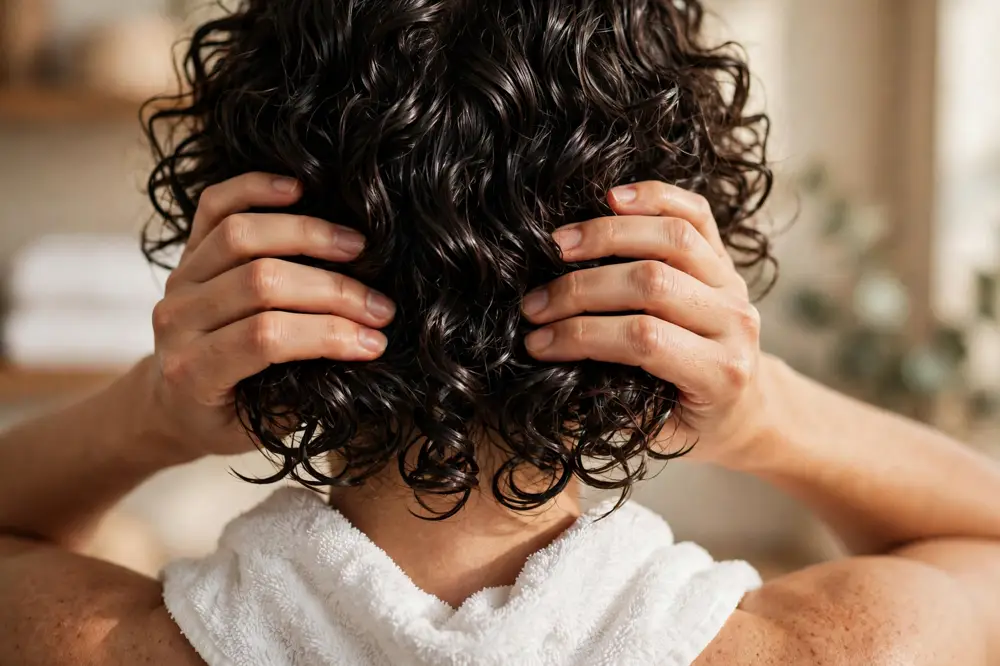
Curls are naturally drier because scalp oils travel slowly down a spiral, and they frizz when handled roughly or brushed dry.
- Wash on a flexible schedule — many curly routines run from twice a week to once every week or two, adjusted to how the scalp feels, with co-washing (conditioner-only rinses) between shampoos for some people.
- Detangle wet, never dry: in the shower, with conditioner in and a wide-tooth comb or fingers, working from the ends upward.
- Style on wet hair: apply leave-in and a curl cream or gel to soaking-wet hair, scrunch gently, then dry with a diffuser on low heat or air-dry — and don’t touch it while it dries.
- Refresh instead of rewashing: a spray bottle of water with a little leave-in revives day-two and day-three curls.
- Protect at night with a loose high ponytail (“pineapple”) or a satin/silk bonnet or pillowcase.
Straight hair: volume, oil management, and heat discipline
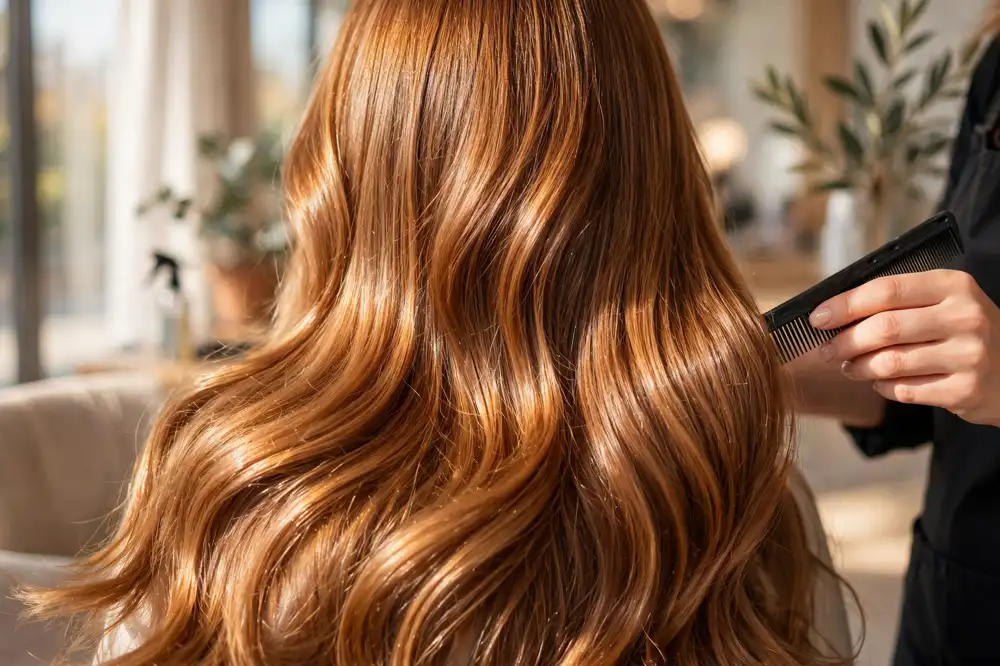
Straight hair shows oil quickly because sebum travels straight down the strand, and fine straight hair is easily weighed down.
- Wash as often as your scalp asks — for many people that’s every day or two, using a light shampoo and keeping rich conditioner to the ends only.
- Condition strategically: ends-only application preserves volume at the roots.
- Dry shampoo between washes absorbs surface oil at the roots; treat it as a bridge, not a replacement for washing.
- Guard against flatness and heat damage together: volumizing mousses or root sprays go on damp hair; flat irons need a protectant and a moderate temperature, and repeated passes over the same section do the real damage.
- Long straight hair benefits from regular small trims, since split ends show clearly and climb fast on straight strands.
Color-treated hair: protect the investment
Coloring opens the hair cuticle, so treated hair is more porous, fades faster, and breaks more easily. (“Coloured” in the British spelling or “colored” in the American one — the care is the same.)
- Wait before the first wash after coloring, following your colorist’s guidance, and wash less frequently overall.
- Use color-safe, gentle shampoos and lukewarm water; hot water accelerates fading.
- Condition deeply and regularly; protein- and bond-focused treatments can help hair feel stronger, but alternate them with moisture so hair doesn’t become stiff.
- Defend against UV and chlorine: hats in strong sun, and wet hair with clean water (plus conditioner) before swimming so it absorbs less pool water.
- Stretch salon visits smartly: root touch-ups and glosses refresh the look between full color appointments; be honest with your colorist about home dyes and treatments, which affect what they can safely do.
A weekly rhythm that works for most heads
- Wash days: shampoo scalp, condition lengths (frequency per your type, above)
- Weekly: one deep-conditioning session; clarify with a stronger cleansing shampoo occasionally if you use lots of styling product and hair feels coated
- Daily: protect from friction and weather; style gently; tie up loosely for sleep
- Every 6–12 weeks or so: trim, adjusted to how fast your ends split
Routines work best as a pair with skin care — the same “know your type, keep the basics consistent” thinking runs both, as our skincare routine guide shows. And if product spending is creeping up, the spend-versus-save logic in our beauty on a budget guide applies to hair products just as well.
Frequently Asked Questions
How often should I wash my hair?
As often as your scalp needs. Oily, straight hair may need washing every day or two; dry and curly hair often does well with a few washes a week or fewer. Itching, flaking, or a coated feeling are signs to wash more thoroughly, while dryness and breakage suggest easing off or using gentler products.
Does conditioner really do anything, or is it marketing?
It does real, measurable work: conditioning ingredients deposit on the hair shaft, reducing friction, static, and breakage during combing, and making hair feel smoother. It doesn’t repair hair permanently — damage is only fully removed by cutting — but it protects what you have.
Can hair products make hair grow faster?
No cosmetic product has been shown to speed up growth from the scalp in any meaningful way. Products can reduce breakage, which helps you retain length — hair looks like it grows better when the ends stop snapping off.
How do I stop color fading so fast?
Wash less often with lukewarm water and gentle color-safe products, condition deeply, limit heat styling, and protect hair from sun and chlorinated water. Most fading is water, heat, and UV working together, so reducing all three stretches color furthest.
Know your type, keep the skeleton
Cleanse the scalp, condition the lengths, protect from heat, trim the damage — then tune frequency, richness, and styling to whether your hair is dry, curly, straight, or colored. That one flexible routine, followed consistently, beats a bathroom shelf of experiments.