

The gate did not latch. The leash slipped. A door opened during a storm, and now the house is too quiet. A lost pet is one of the most frightening experiences an owner can have, and the first 24 hours matter more than any other period — most lost animals are found close to home, and many are found fast when the search is organized instead of panicked. Take a breath. Then work this checklist in order. Every step is standard advice shared by shelters, rescues and animal control officers, and each one exists because it has brought somebody’s pet home.
Hour One: Search Close, Search Smart
Most lost dogs and nearly all lost cats stay closer than owners expect. Frightened animals — especially indoor cats — often hide within a few houses of home, silent even when called.
- Search your own property first: garages, sheds, under decks and porches, inside closets, basements and any vehicle with an open door. Cats wedge into spaces that seem impossibly small.
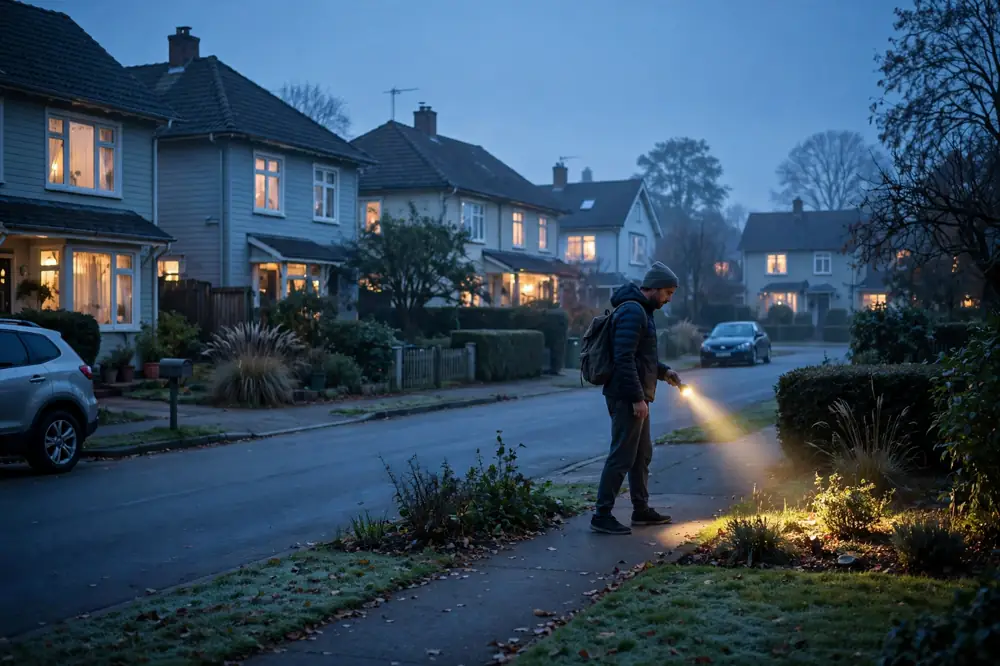
- Walk the immediate neighborhood slowly, calling calmly and stopping to listen. Bring a flashlight even in daytime — eyes reflect in dark hiding spots.
- Carry high-value scent and sound: a familiar treat bag to shake, a squeaky toy, an open can of strong-smelling food for cats.
- Ask every neighbor directly. People notice a strange animal in their yard; they just do not know anyone is looking. Ask them to check their own garages and sheds — a common hiding outcome.
- Do not chase a spotted pet. A frightened animal may bolt from its own owner. Sit or crouch, stay quiet, and let it come to you.
Hours One to Three: Raise the Alarm Everywhere
While one person keeps searching, another should start the alert network. Speed here multiplies your searchers for free.
- Call your microchip company and confirm your contact details are current; flag your pet as missing.
- Call local shelters, rescues and animal control, and file a lost report with a clear description. Then visit the nearest shelters in person as soon as you can — descriptions over the phone get garbled, and only you can recognize your pet instantly. Understanding how animal rescue works from stray intake onward helps you know exactly what happens to a found pet and where it might be taken.
- Call veterinary clinics and emergency vets in the area; injured found pets are often taken straight to the nearest clinic.
- Post online immediately: neighborhood groups, local lost-and-found pet pages, community apps and the shelter’s social pages. Include one clear full-body photo, the location and time last seen, distinguishing marks, whether the pet is microchipped and wearing a collar, and your phone number. Warn people not to chase — ask for sightings with location and time instead.
- Put a lost report on pet recovery services and lost-pet databases available in your area.
Hours Three to Six: Posters and the Scent Trail
Online posts reach screens; posters reach the street where your pet actually is.
- Make big, simple posters: one large photo, the word LOST in huge letters, your phone number readable from a car. Details belong in your online post, not on a sign nobody can read at speed.
- Post them at intersections, trailheads, dog parks, vet offices, pet stores and community boards within a widening circle around the point of loss, following local rules on posting signs.
- Lay a scent trail home: put your pet’s bedding, your worn clothing, and (for cats) their litter box outside your door, with water nearby. Familiar scent is a homing signal for an animal hiding close and afraid to move in daylight.
- Leave a way back in: if safe to do so, leave a gate, garage or window accessible the way your pet would naturally return, and check it through the night.

Hours Six to Twenty-Four: Widen, Repeat, and Work the Quiet Hours
- Search again at dawn and dusk. Lost animals move when the world is quiet. Repeat your walking route with a flashlight, shaking the treat bag, calling softly.
- Expand the circle for dogs, who travel farther than cats — follow water sources, green corridors, and quiet streets rather than busy roads.
- Re-check shelters daily, in person when possible. Stray holding periods can be short, and new animals arrive constantly.
- Track sightings on a map. Patterns emerge: repeated reports in one area at one time of day tell you where to focus, set out scent items, and — with guidance from local rescue volunteers — possibly place a humane trap for a pet too frightened to approach anyone.
- Keep your posts updated and bumped. Answer every message quickly; the person who saw your pet an hour ago is your best lead.
- Talk to the regulars: mail carriers, delivery drivers, dog walkers, joggers and school crossing guards see the neighborhood at animal hours.
Protect Yourself While You Search
Sadly, lost-pet posts attract scammers. Guard against the common ones:
- Never pay a “finder” who refuses to send a photo or video of your pet first.
- Be cautious of anyone asking for verification codes or gift cards — legitimate finders do not.
- If you offer a reward, keep the amount off public posters.
- Meet anyone claiming to have your pet in a public, safe place, ideally with another person present.
If Your Pet Is Still Missing After 24 Hours
Do not interpret silence as failure. Pets are recovered after days and weeks regularly, often through the unglamorous work above: persistent shelter checks, refreshed posters, and one neighbor who finally connects a sighting to a sign. Widen your shelter and vet calls to the next towns over, ask local rescues about humane trapping help for skittish animals, and keep the scent items out. When your pet does come home — exhausted, hungry, thinner — a vet check within a day or two is wise, especially if there are ticks, wounds, or weight loss. And once the crisis passes, take the prevention steps seriously: secure fencing and doors, updated microchip details, a collar with your number, and for escape-prone dogs, the technology in our guide to GPS pet trackers.
Worried about the cost of vet visits after a rescue or a rough adventure? Our breakdown of pet insurance for rescue dogs and cats explains the cover that helps owners say yes to care without hesitation.
Frequently Asked Questions
How far do lost cats and dogs usually travel?
Most lost cats, particularly indoor cats, are found very close to home — often within the same block, hiding silently. Dogs tend to travel farther, especially friendly or athletic ones, but many are still found within a mile or two in the first day.
Should I put food out for my lost pet?
Water and scent items are the priority. Small amounts of strong-smelling food near your door can help, especially for cats returning at night, but large food stations can attract other animals. Refresh small portions and monitor the spot if you can.
My pet is microchipped. Is that enough?
A chip only works if someone scans it and your registered details are current. It is an excellent safety net — but posters, posts and shelter visits are what actively bring sightings in during the first 24 hours.
Should I call my pet’s name while searching?
Yes, calmly and in your normal voice, pausing to listen. Shouting can frighten a panicked animal deeper into hiding. Familiar, relaxed sounds — their name, the treat bag, a squeaky toy — work better than volume.
The Bottom Line
The first 24 hours reward calm, structured action: search close, alert everyone, post bright signs, lay the scent trail, and search again in the quiet hours. Thousands of ordinary pets are home tonight because their people did exactly this. Start now, work the list, and keep working it — your pet is counting on your persistence, not your panic.